



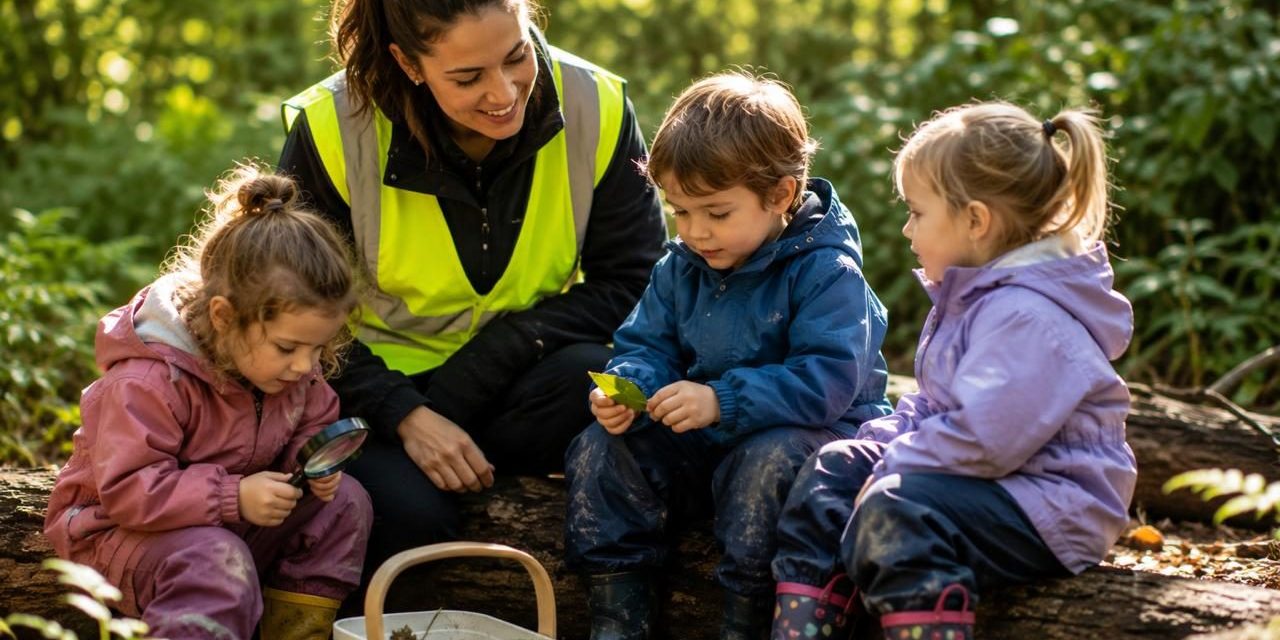
Technology is now part of everyday life for most families. While digital devices can offer educational benefits, research increasingly highlights the importance of balancing screen time with outdoor experiences.
Health NZ guidelines encourage children to spend more time moving, playing and engaging with natural environments.
What Is Green Time?
Green time refers to time spent outdoors in natural environments such as:
• Parks
• Beaches
• Forests
• Gardens
• Outdoor learning settings
Why Green Time Matters
Outdoor experiences support:
• Physical activity
• Emotional wellbeing
• Creativity
• Concentration
• Social skills
Research from Healthify NZ notes that active outdoor play supports children’s physical, emotional, thinking and social abilities.
Excessive screen exposure may contribute to:
• Reduced physical activity
• Sleep disruption
• Overstimulation
• Shorter attention spans
• Reduced face-to-face interaction
Creativity and Imagination Thrive Outdoors
Nature-based environments encourage open-ended play without fixed rules or outcomes. Children can invent games, build structures and solve problems creatively.
Finding a Healthy Balance
The Challenges of Excessive Screen Time
The goal is not to eliminate screens entirely but to ensure children also have opportunities for:
• Outdoor play
• Movement
• Social interaction
• Creative exploration
• Connection with nature
Why Kiwi Families Are Embracing Outdoor Learning
Many New Zealand families value active lifestyles and outdoor experiences. Nature-based learning aligns closely with Kiwi culture and wellbeing-focused education.
Final Thoughts
Children thrive when they have opportunities to move, explore and engage with the world around them. Outdoor experiences remain essential for healthy development and emotional wellbeing.
FAQs
What is green time for children?
Green time refers to time spent outdoors in natural environments engaging in active or unstructured play.
Is too much screen time harmful for children?
Excessive screen time may affect sleep, physical activity, attention and social interaction if not balanced appropriately.
Why is outdoor play important?
Outdoor play supports physical, emotional, cognitive and social development.
How can parents reduce screen time?
Parents can encourage outdoor activities, family walks, creative play and screen-free routines.
Does outdoor time improve attention spans?
Research suggests time spent outdoors may help improve focus and concentration in children.
What are examples of green time activities?
Examples include nature walks, gardening, beach visits and exploring parks.
Is technology bad for children?
Technology can be beneficial in moderation when balanced with outdoor play and active learning experiences.